Route of Jewish Culture
A route commemorating the Jewish history of Chelm. Walk through places that tell the story of the community that made up this city for centuries.
Poznaj szlak
A route leading in the footsteps of Chelm's heritage - from Baroque to modernism, through churches and monasteries in which echoes of centuries-old tradition can be heard.
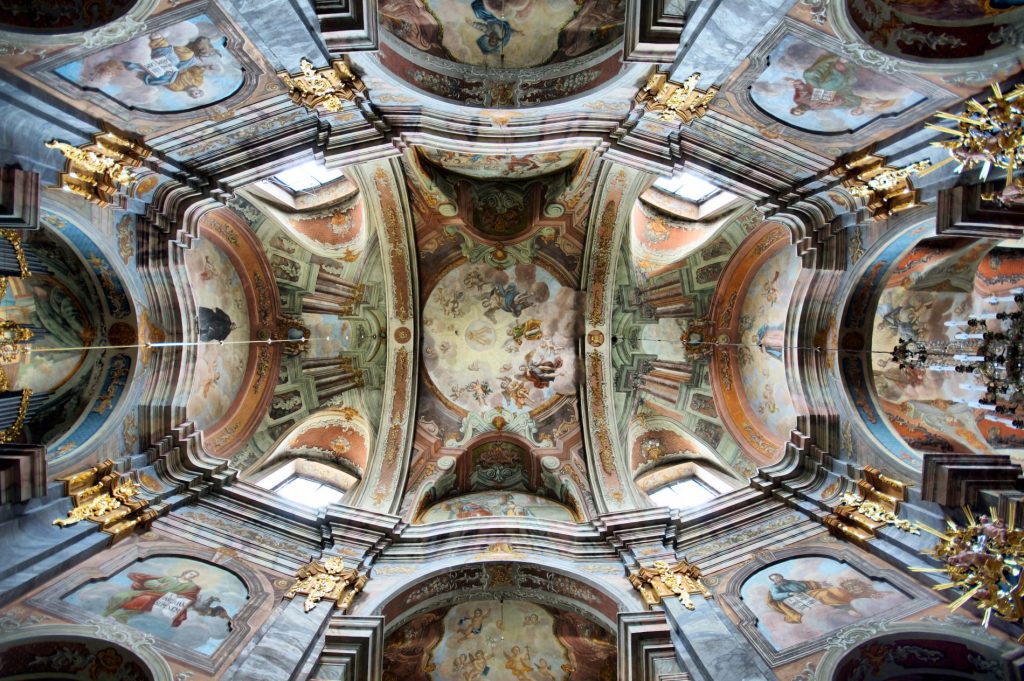
The Western Culture Route leads you through the most important monuments of Chelm’s heritage. You will visit churches, monasteries and tenements that record the history of more than seven centuries of Western cultural presence in this borderland.
The route includes 10 points and takes about several hours of walking. This is the longest of our glass routes. If you choose it, you will be able to boast that you have really explored the whole city!
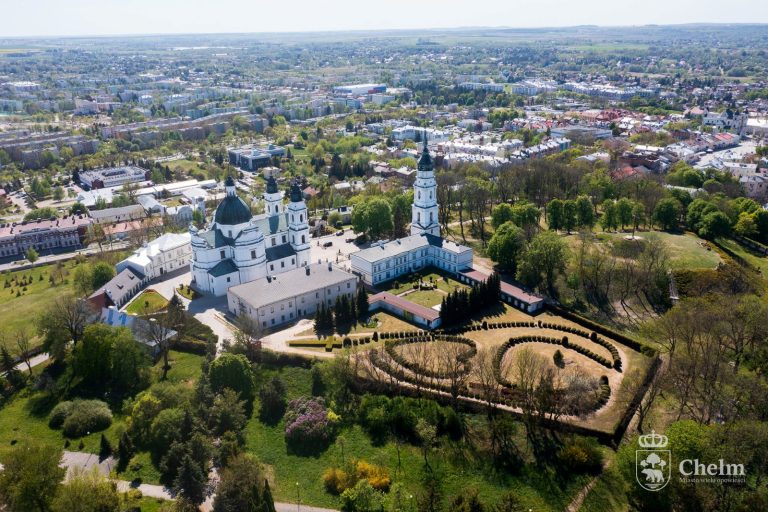
The highlight of the trip is the majestic Basilica of the Nativity of the Blessed Virgin Mary on Mount Chelm. This white, monumental block hides a replica of the icon of Our Lady of Chelm.
The Western Culture Route is ideal for history buffs who want to see how the traditions of the noble Republic of Poland blend harmoniously with turn-of-the-century elegance.
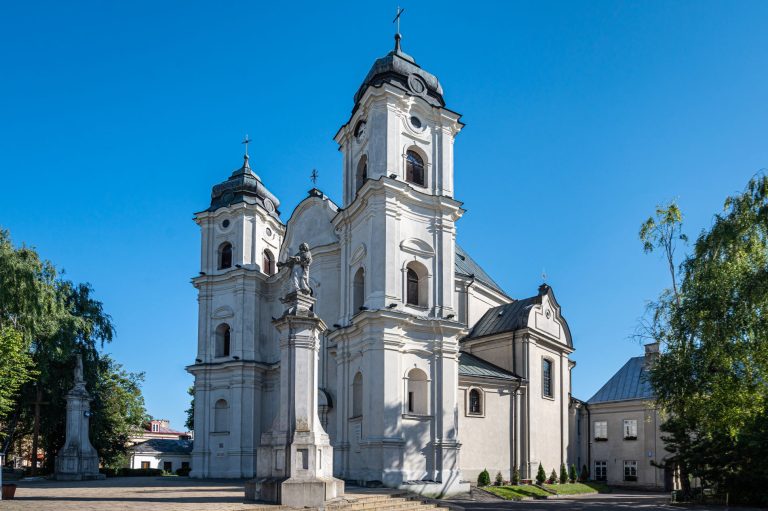
Late Baroque temple built between 1753 and 1763, designed by architect Pavel Antoni Fontana. It was built on the site of a wooden church founded in 1417 by King Wladyslaw Jagiello and a Renaissance building from the late 16th century, administered from the mid-17th to the 19th century by the Piarists. It is the seat of the oldest Roman Catholic parish in Chelm.
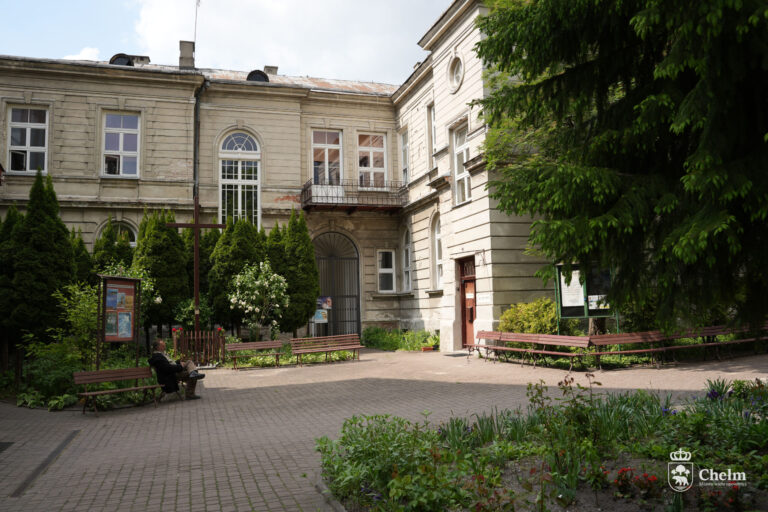
The building, dating from the early 18th century, was erected for the college run by the Piarists. After the liquidation of the order it housed a Russian male gymnasium, and in the interwar period a public school. Currently the main building of the Wiktor Ambroziewicz Museum of the Chelm Region and Gallery 72, which functions within the museum’s structures and collects modern paintings.
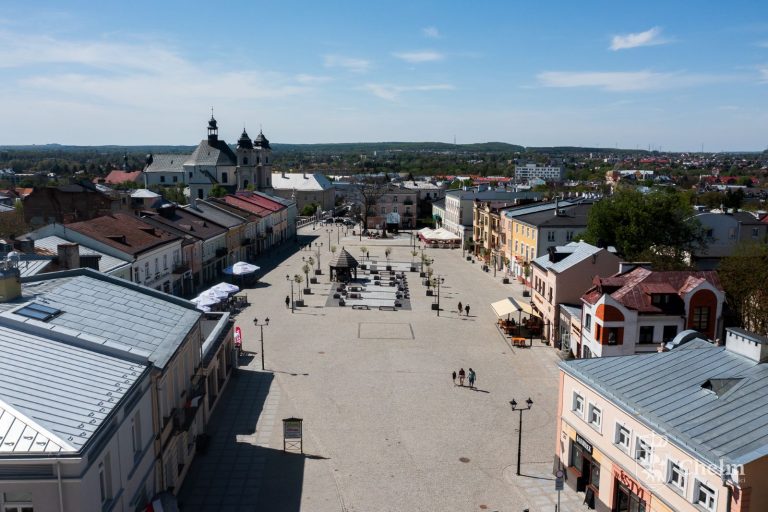
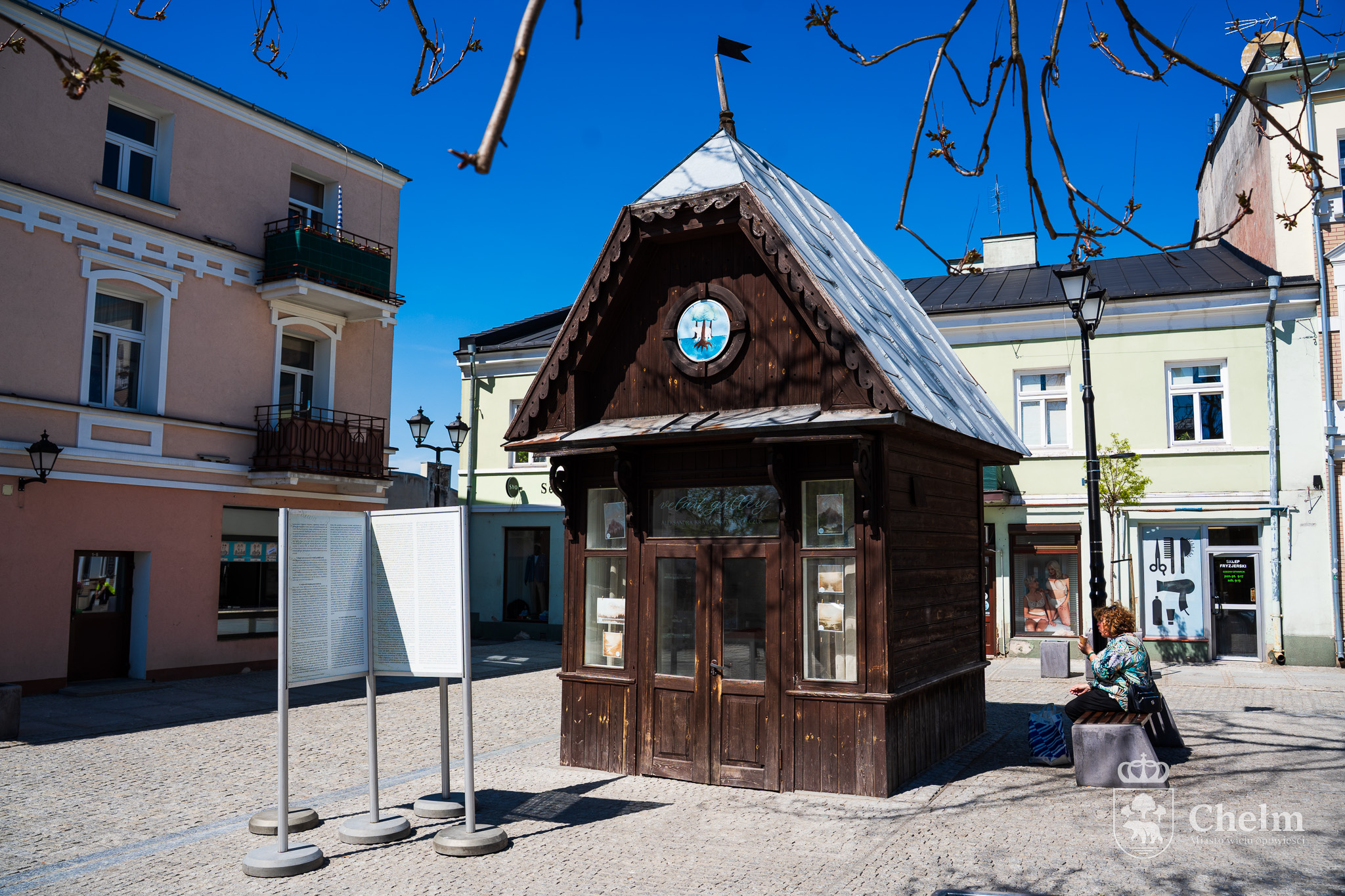
A former old town square with buildings dating back to the 17th century and the cellars of the town hall, which was destroyed in the mid-19th century. In the center is a reconstructed Old Town well, and in the eastern part is the historic kiosk of Jewish merchant Mejer Dobkowski and the Monument to the Fallen, commemorating Chełm’s volunteers from the Polish-Bolshevik war.
The building was erected between 1735 and 1756 according to a design by Italian architect Pavel Antoni Fontana on the site of a 13th-century Orthodox and Uniate bishop’s church. Built in the late Baroque style, it is also the Sanctuary of Our Lady of Chelm. After 1875 it was converted into an Orthodox cathedral, and since 1931 it has been the seat of the parish of the Nativity of the Blessed Virgin Mary. In 1988 it was given the title of basilica minor.
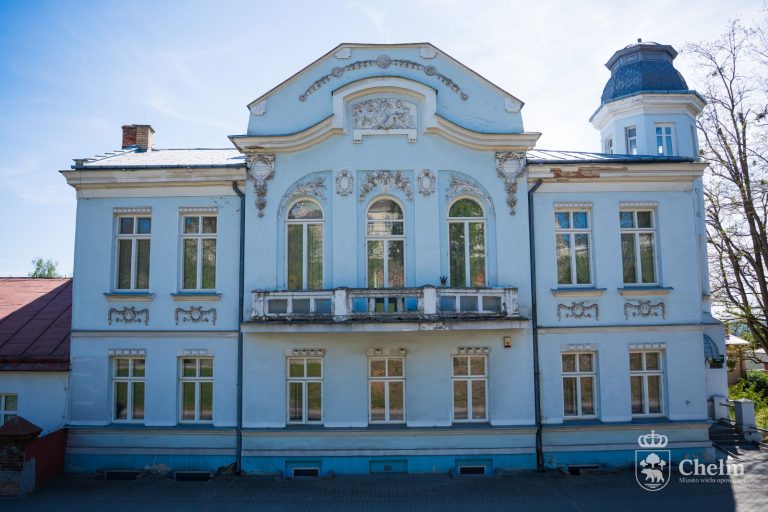
Villa of German industrialist Wilhelm Kretzschmar from the late 19th century, owner of an agricultural machinery factory established in 1880. The building was rebuilt by the next owner Franciszek Gassner in 1912, according to a design by Ksawery Drozdowski. It has rich decoration in the front part in the eclectic-secession style.
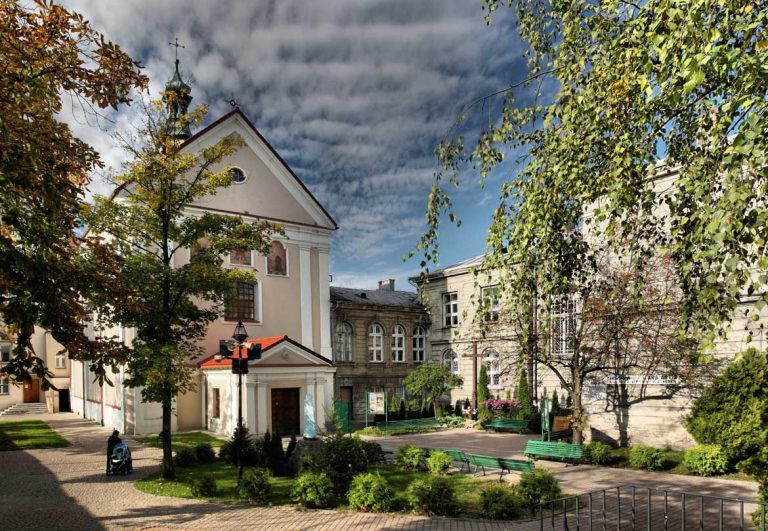
Monastery complex consisting of the late Baroque church of St. Andrew the Apostle from 1750, built according to the design of Pavel Antoni Fontana, and a monastery expanded in the 2nd half of the 19th century for the use of a female school, known as the Marian Institute.
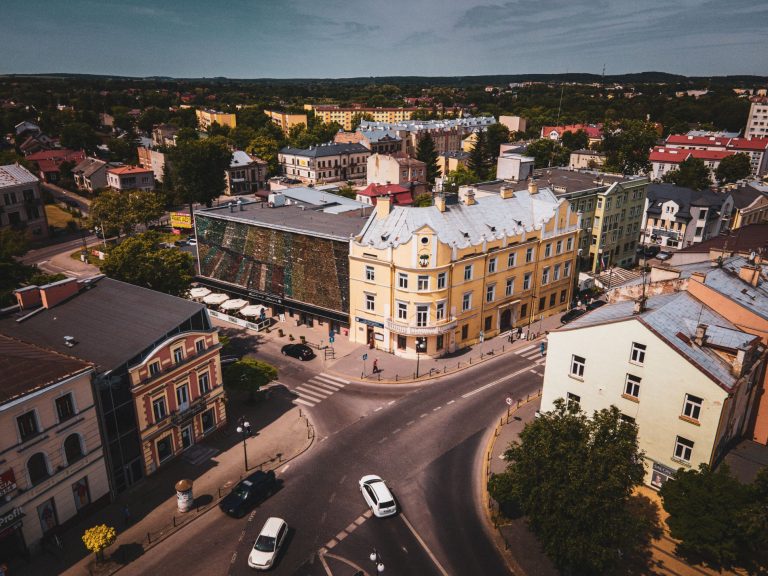
The building was constructed in 1924-1927 for the headquarters of the city government and a wing with a hall for the city theater. Erected in the neo-Renaissance style, it was expanded in the western direction in the 1970s. In the wing intended for the theater functioned cinemas (“Versailles” , “Ton”, “Rainbow”, “LOPP”, “Scala”), and now the Film Culture Center “Zorza”.
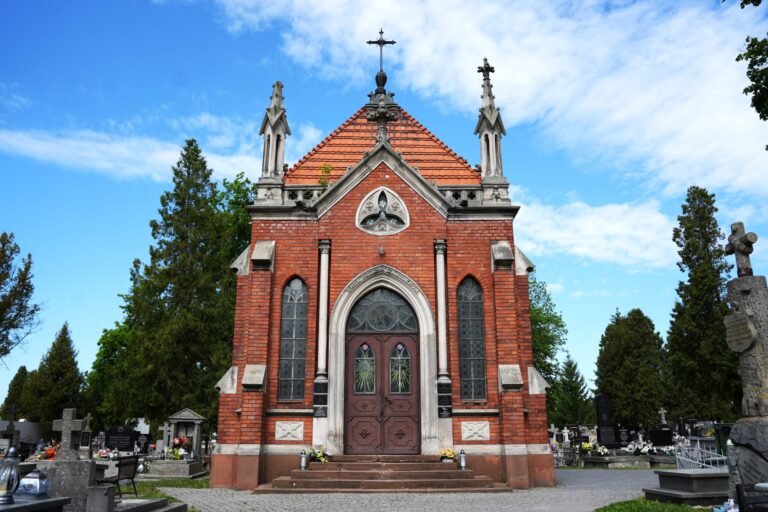
The cemetery was established in the early 19th century and features two chapels. The first, erected in classicist style, was probably created in the mid-19th century from the foundation of the Bielski family, owners of Uhr, near Chełm. The second, erected in neo-Gothic style in 1909, was founded by Chełm notary Władysław Zajdler.
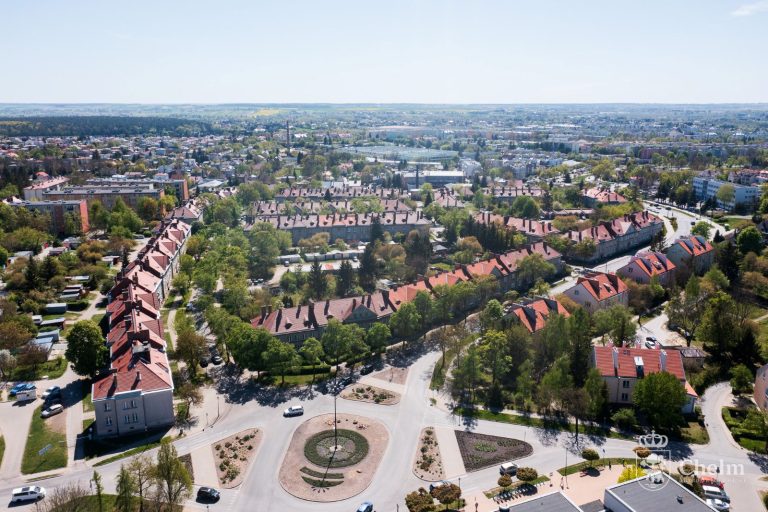
The estate was built in the eastern part of the city between 1928 and 1939 in connection with plans to relocate the headquarters of the Radom Railway Directorate to Chelm. Consisting of a massive office building and more than a hundred assorted residential buildings, it was designed by architects Adam Paprocki, Adam Kuncewicz and Henryk Gay in the style of modernism.
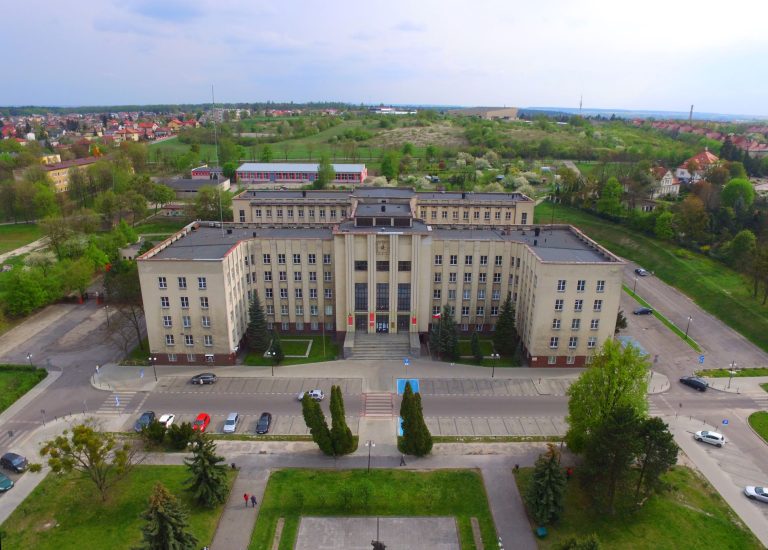
It is a monumental five-story office building in the style of early modernism, built between 1928 and 1939 as the headquarters of the Eastern Railway Directorate.
At the start of the route, it is worth visiting the Chelm Tourist Information Center, which is located in the former Magistrate’s building at 63 Lubelska Street.
Hours of operation (summer season):
Mon-Fri 8:00am-5:00pm,
Sat. 9:00-15:00,
Sun. 9:00-13:00. During the low season, the point is usually open until 5:00 pm Monday through Saturday.
Most of the trail points (1 to 8) are within walking distance within the historic center and Chelmska Hill. Getting from Luczkowski Square to the top of Chelmska Hill usually takes several minutes uphill along alleys and stairs.
Points 9 and 10 (the Directorate Estate and the Railway Directorate Building) are a little farther from the center, at Independence Square, which may require a longer walk or a short drive.
Chalk Underground (optional on the route): The entrance is located at 55a Lubelska Street. The tour is guided only, and due to its popularity, advance reservations are recommended.
Note the temperature in the underground: If you plan to enter the Basilica Cellars or Chelm Chalk Underground, be sure to dress warmer – the temperature there is consistently around 9°C.
Parking spaces for cars are available along Lubelska Street and in designated parking lots in the Cathedral Hill area. There are no paid parking zones throughout the city. Parking is free.
Access to the bell tower (more than 40 meters high) is by stairs and may be difficult for people with limited mobility or small children; it is prohibited to bring strollers and large luggage up the tower.
The trail is not marked.
Not all of them. We recommend paying attention to:
– Basilica of the Nativity of the Blessed Virgin Mary: Admission to the temple itself for prayer and sightseeing is free.
– Complex on the Hill (Crypts, Cellars, Tower): There is a fee to visit the 18th-century crypts, the 17th-century cellars, and to climb to the observation deck of the bell tower.
– Kretzschmar Palace: the building is admired from the outside.
Of course. You can walk the trail in any order and skip selected points. However, we recommend visiting at least the Basilica, the Piarist Monastery and the Uściług Gate.
Yes, a must-see is the bell tower at the basilica, which is more than 40 meters high. Its observation deck offers a 360-degree panorama of all of Chelm and the surrounding area. The climb is by stairs, which can be tiring.
Yes, the entrance to Chelm’s Chalk Underground is located at 55a Lubelska Street, right next to the Church of the Propagation of the Apostles (points 1 and 2 of the trail). The tour of the underground takes place only with a guide and lasts about an hour. It is worth remembering the constant temperature of about 9°C prevailing underground.
A route commemorating the Jewish history of Chelm. Walk through places that tell the story of the community that made up this city for centuries.
Poznaj szlak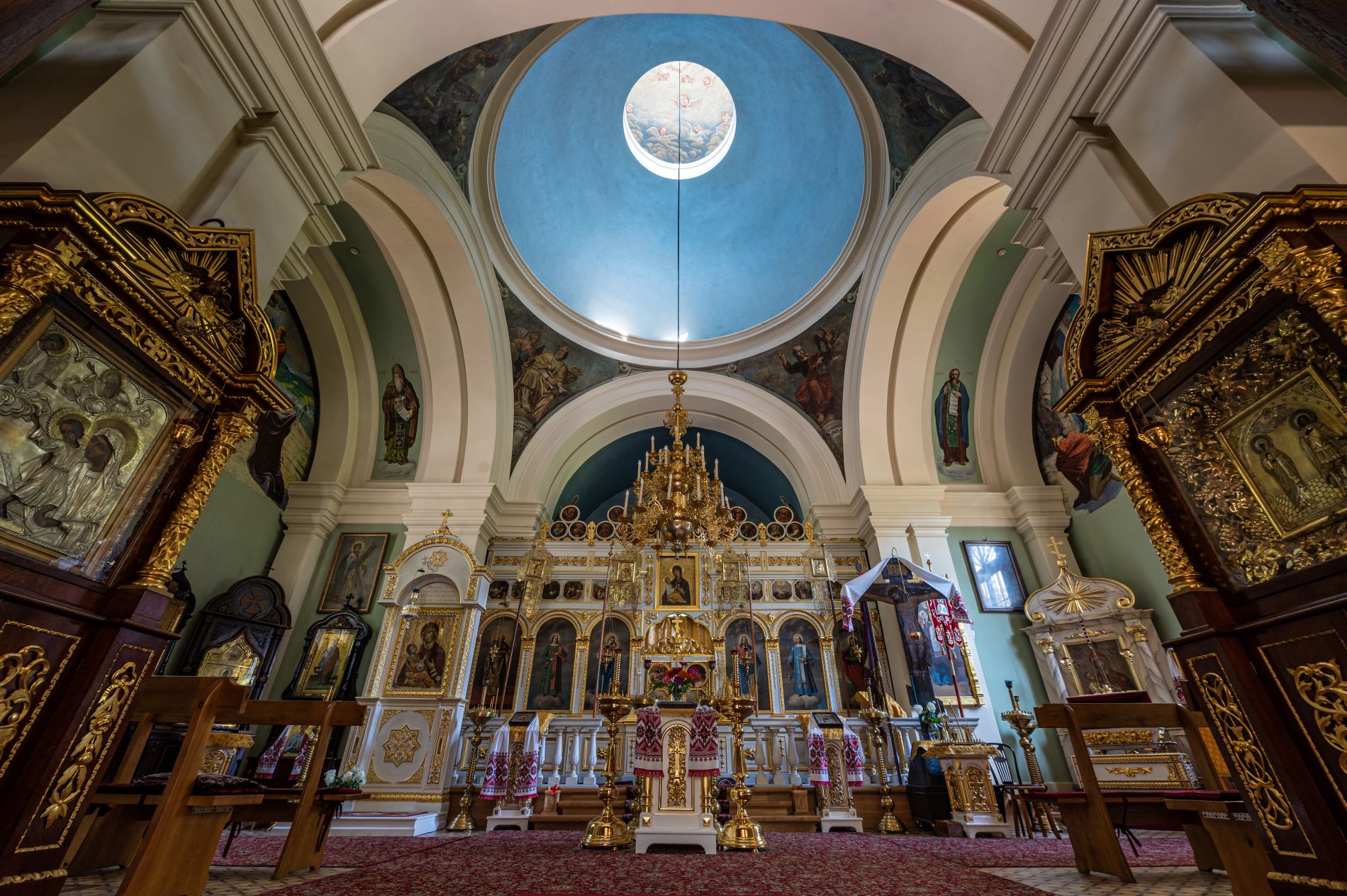
A route in the footsteps of the Orthodox and Uniate heritage of Chelm. From 13th-century crypts to Orthodox churches and seminaries, in which the history of the eastern borderland is written.
Poznaj szlak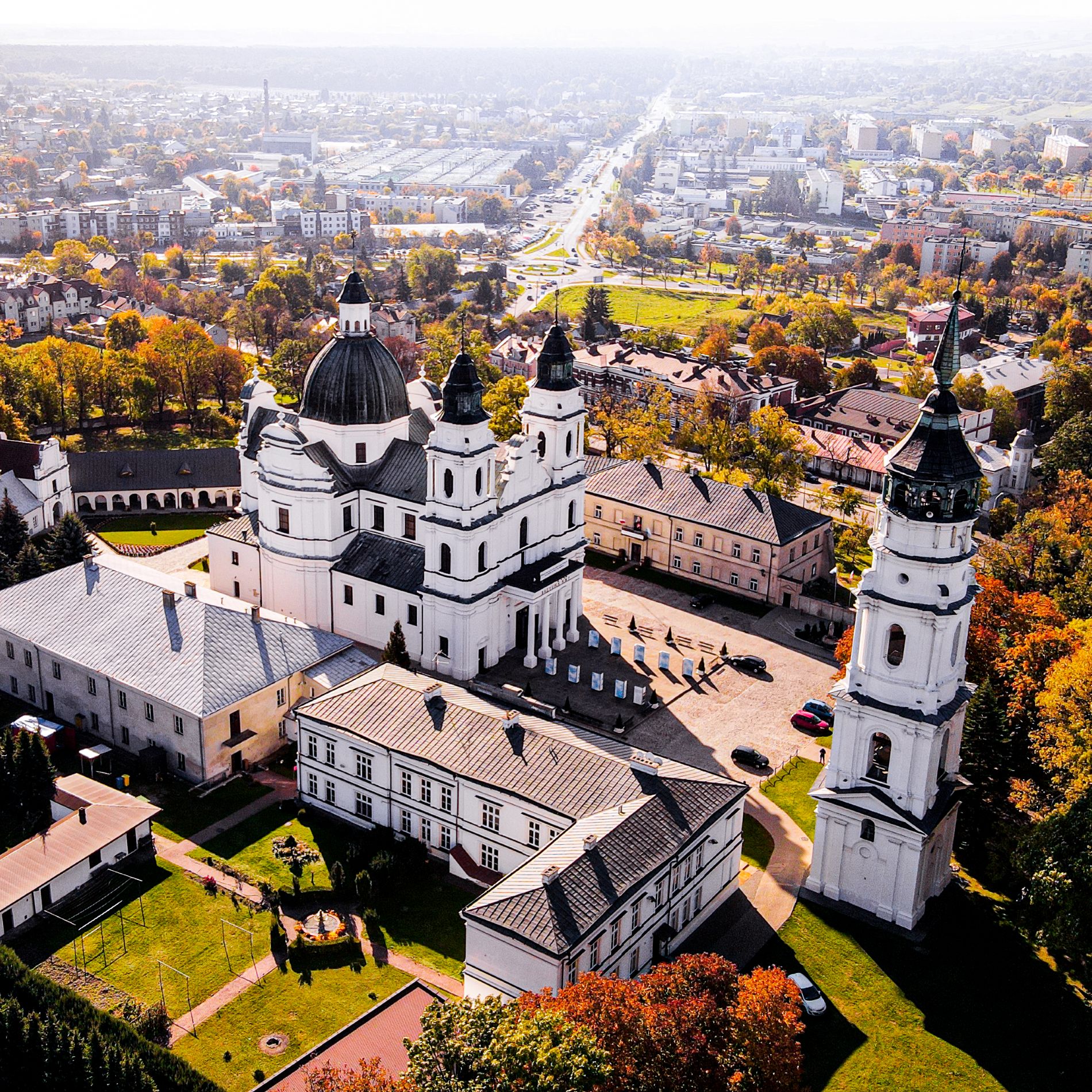
A long walk through several hundred years of Chelm's architecture. The trail combines the heritage of three cultures in one story about the art of building.
Poznaj szlak